

Articles
The Role of Prebiotics in Gut Health: A Guide to Natural Digestive Support
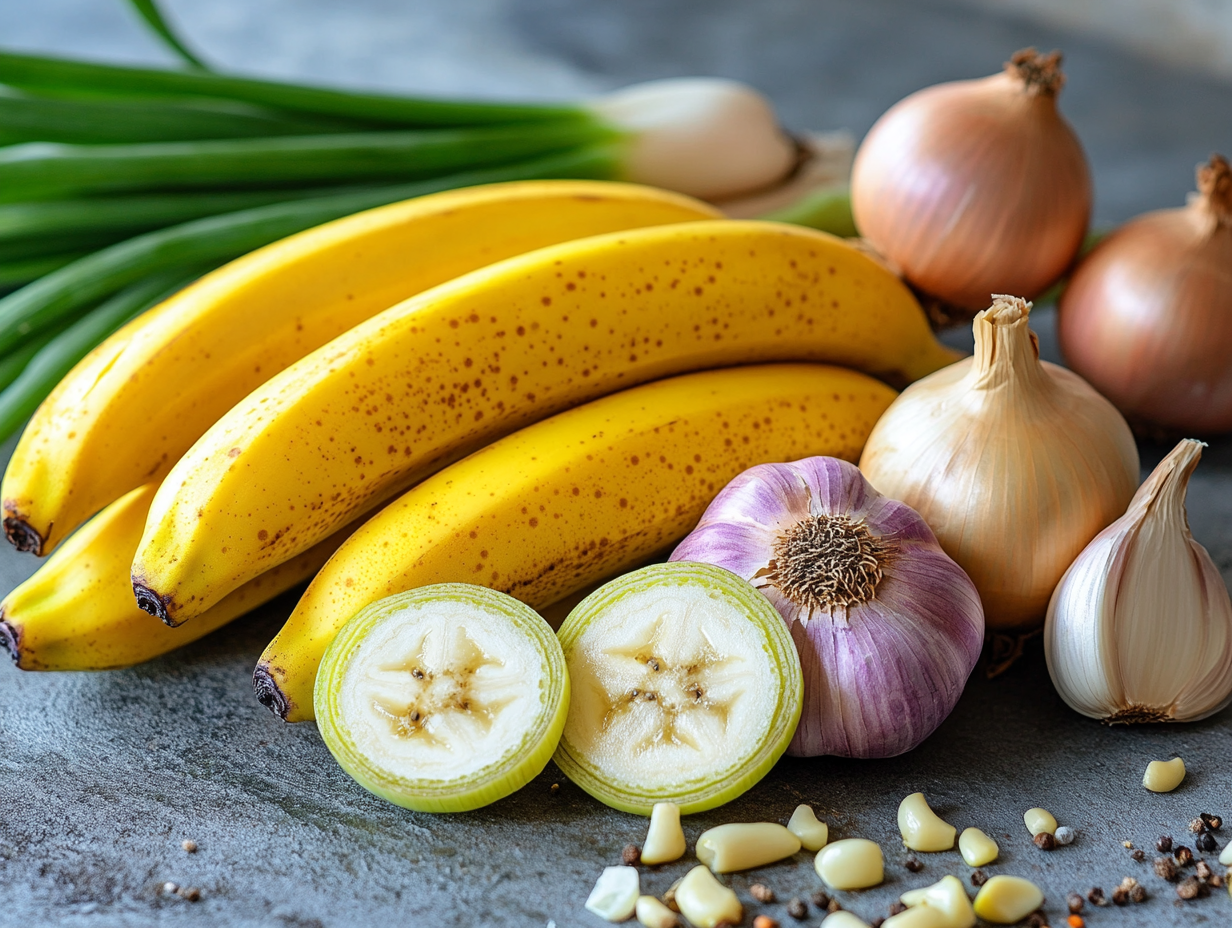
When it comes to gut health, probiotics get all the attention, but their lesser-known partner—prebiotics—plays an equally crucial role.
Prebiotics are non-digestible fibres that feed the good bacteria in your gut, helping to maintain a healthy microbiome, improve digestion, and support overall well-being.
In this guide, we’ll break down the science behind prebiotics, how they benefit your gut, and the best natural sources to incorporate into your diet.
And if you’re looking for an easy way to support your digestive health, check out Elyxa Gut, a food-based prebiotic supplement designed to nourish and restore your microbiome.
1. What Are Prebiotics?
Prebiotics are a type of fibre that your body doesn’t digest, but they serve as food for beneficial gut bacteria. Unlike probiotics (which introduce new bacteria), prebiotics nourish and strengthen the good bacteria already living in your gut.
How Do Prebiotics Work?
- They pass through the digestive tract undigested.
- Once in the colon, they ferment and feed beneficial bacteria like Bifidobacteria and Lactobacilli.
- This fermentation produces short-chain fatty acids (SCFAs), which improve gut lining integrity and overall digestion.
By keeping your gut bacteria well-fed, prebiotics play a key role in supporting digestion, immunity, and even mental health.
2. Prebiotics vs. Probiotics: What’s the Difference?
Many people confuse prebiotics and probiotics, but they work together rather than replacing each other.
| Feature | Prebiotics | Probiotics |
|---|---|---|
| Definition | Non-digestible fibres that feed gut bacteria | Live beneficial bacteria that support gut health |
| Function | Nourishes and enhances existing gut flora | Introduces new bacteria to the gut |
| Sources | Garlic, onions, bananas, asparagus, chicory root | Yogurt, kefir, sauerkraut, kimchi, kombucha |
| Best For | Long-term gut health and microbiome balance | Short-term gut health boosts and microbial diversity |
For optimal gut health, both prebiotics and probiotics should be part of your diet or supplement routine.
3. The Health Benefits of Prebiotics
Adding prebiotic-rich foods or supplements to your routine can lead to major digestive and overall health improvements.
1. Improved Digestion & Bowel Regularity
✅ Prebiotics help soften stool and prevent constipation.
✅ They promote the growth of good bacteria that support digestive function.
2. Stronger Immune System
✅ A healthy gut microbiome strengthens the immune response.
✅ Prebiotics support the production of anti-inflammatory compounds that fight infections.
3. Enhanced Nutrient Absorption
✅ Prebiotics improve the absorption of calcium, magnesium, and iron, strengthening bones and muscles.
4. Better Gut-Brain Connection & Mood Regulation
✅ The gut is called the “second brain” because it produces neurotransmitters like serotonin.
✅ A well-balanced microbiome can improve mood, reduce stress, and even enhance sleep.
4. Best Natural Sources of Prebiotics
Many everyday foods contain prebiotics, making it easy to incorporate them into your diet.
Top Prebiotic-Rich Foods:
🥑 Bananas – A simple, gut-friendly snack.
🧄 Garlic – Great for both digestion and immune support.
🧅 Onions – Packed with prebiotics and antioxidants.
🥦 Asparagus – Supports gut health and overall digestion.
🌱 Chicory Root – One of the richest sources of inulin, a powerful prebiotic fibre.
🍏 Apples – Contains pectin, which promotes gut bacteria growth.
Not Getting Enough Prebiotics?
While food sources are great, many people don’t get enough prebiotics daily. If you need extra digestive support, consider a high-quality prebiotic supplement like Elyxa Gut, which provides an easy, effective way to nourish your microbiome.
5. How to Incorporate More Prebiotics into Your Diet
Want to give your gut bacteria the fuel they need? Here are some simple ways to increase your prebiotic intake:
🥗 Add prebiotic foods to your meals – Sprinkle onions and garlic into soups, stir-fries, or salads.
🍵 Opt for prebiotic drinks – Chicory root tea is an excellent gut-friendly coffee alternative.
🍌 Snack on prebiotic-rich fruits – Apples and bananas make for quick, gut-healthy snacks.
💊 Take a prebiotic supplement – If your diet is lacking, a supplement like Elyxa Gut can ensure you’re getting enough.
Conclusion
Prebiotics are essential for gut health, playing a key role in digestive balance, immune function, and even mental well-being. By feeding beneficial gut bacteria, they help maintain a thriving microbiome and support long-term health.
To ensure you’re getting enough prebiotics, try adding prebiotic-rich foods to your diet or incorporating a trusted, food-based supplement like Elyxa Gut for optimal digestive support.
FAQs
Prebiotics are fibres that feed good bacteria, while probiotics are live bacteria that add to your gut microbiome. Both are essential for gut health.
Yes! Prebiotics help probiotics thrive, making them a perfect gut health combination.
A lack of prebiotics can lead to poor digestion, bloating, weaker immunity, and imbalanced gut bacteria, increasing the risk of health issues.
You may notice improved digestion within a few days, but long-term benefits—like enhanced immunity and better gut health—take a few weeks to develop.
Look for natural, food-based prebiotic supplements like Elyxa Gut, which provide high-quality prebiotic support without synthetic fillers.