

Articles
The Role of Nutrition in Managing Chronic Inflammation
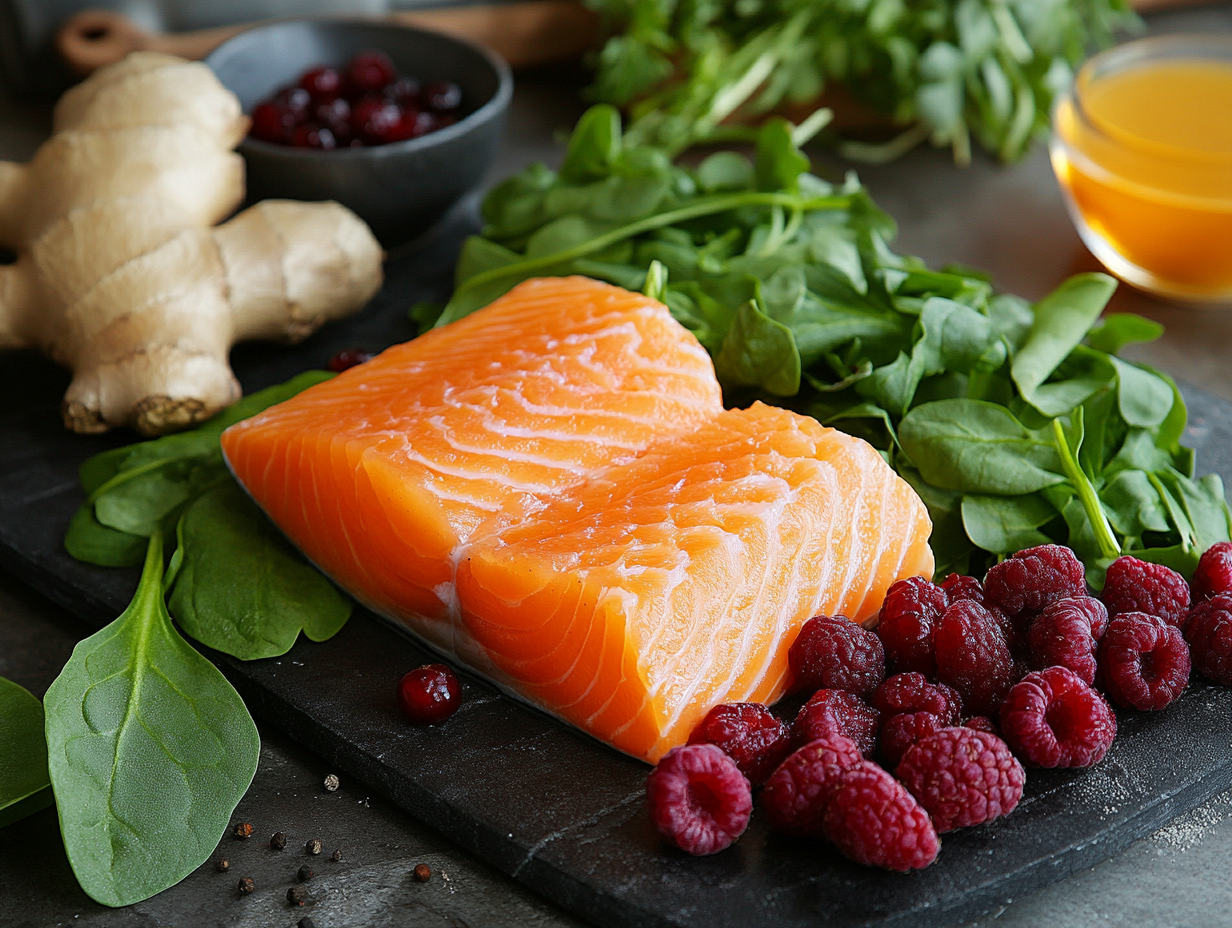
Inflammation is a natural immune response, but when it becomes chronic, it can lead to joint pain, digestive issues, fatigue, and long-term health problems like heart disease and autoimmune conditions.
The good news? What you eat plays a massive role in controlling inflammation.
In this guide, we’ll explore:
✔ The connection between diet and inflammation
✔ The best anti-inflammatory foods to eat
✔ How supplements can help manage chronic inflammation
And if you’re looking for a natural supplement to reduce inflammation, check out Elyxa Joint—designed to support joint health and combat inflammation naturally.
1. What Is Chronic Inflammation?
Inflammation is the body’s way of healing and defending itself. However, when inflammation persists for months or years, it can become a silent contributor to disease.
Common Symptoms of Chronic Inflammation:
🚨 Persistent joint pain and stiffness
🚨 Digestive issues like bloating and IBS
🚨 Low energy and brain fog
🚨 Frequent colds and infections
🚨 Skin problems (acne, eczema, rashes)
While injuries and infections cause short-term inflammation, chronic inflammation is often linked to diet, stress, and lifestyle factors.
2. How Diet Affects Inflammation
The foods you eat daily can either fuel or fight inflammation.
🚫 Pro-inflammatory Foods (to Avoid or Limit):
- Refined sugars (soft drinks, pastries, candy)
- Processed foods (packaged snacks, fast food)
- Refined carbs (white bread, pasta, sugary cereals)
- Trans fats (fried foods, margarine, processed vegetable oils)
- Excess alcohol (causes gut inflammation)
✅ Anti-inflammatory Foods (to Eat More Of):
- Leafy greens (spinach, kale, rocket) – Packed with antioxidants
- Berries (blueberries, strawberries, blackberries) – Rich in polyphenols
- Fatty fish (salmon, sardines, mackerel) – High in omega-3s
- Turmeric & ginger – Natural anti-inflammatory herbs
- Olive oil & nuts (almonds, walnuts) – Healthy fats that reduce inflammation
💡 Tip: Swapping processed foods for whole, nutrient-rich meals can dramatically reduce inflammation levels over time.
3. Best Nutrients & Supplements for Inflammation Control
In addition to an anti-inflammatory diet, certain nutrients and supplements can help combat chronic inflammation.
1. Omega-3 Fatty Acids (For Joint & Brain Health)
🐟 Why it helps:
- Reduces inflammation at a cellular level
- Supports joint mobility and brain function
🍣 Best sources: Fatty fish, flaxseeds, walnuts.
2. Turmeric (For Natural Pain Relief)
🌿 Why it helps:
- Contains curcumin, a powerful anti-inflammatory compound
- Helps with joint pain, arthritis, and muscle soreness
🍛 Best way to take it: Combine with black pepper to enhance absorption.
3. Magnesium (For Muscle & Nerve Relaxation)
⚡ Why it helps:
- Reduces inflammation in the muscles and nervous system
- Helps with muscle recovery and stress management
🥑 Best sources: Nuts, seeds, dark leafy greens, and Elyxa Magnesium.
4. Probiotics & Prebiotics (For Gut Health & Immunity)
🦠 Why it helps:
- A healthy gut = less systemic inflammation
- Supports digestion, immunity, and mental clarity
🥬 Best sources: Yogurt, kimchi, sauerkraut, and Elyxa Gut.
5. Vitamin D (For Immune & Inflammation Support)
☀ Why it helps:
- Regulates immune response
- Helps reduce inflammatory markers in the body
🌞 Best sources: Sunlight exposure, fatty fish, eggs.
💊 If you’re not getting enough of these key nutrients, supplements like Elyxa Joint can provide targeted inflammation support.
4. Lifestyle Changes to Reduce Inflammation
Beyond diet and supplements, your daily habits play a huge role in controlling inflammation.
1. Manage Stress Levels
Chronic stress = higher cortisol = more inflammation.
🧘 Best stress-management techniques:
✔ Deep breathing & meditation
✔ Walking in nature
✔ Prioritising good quality sleep
2. Stay Hydrated
💧 Water helps flush out toxins and inflammatory byproducts.
✔ Drink at least 2-3 litres per day for optimal hydration.
3. Exercise Regularly (But Don’t Overdo It!)
🏃 Why it helps:
- Lowers inflammation
- Improves circulation and detoxification
🚶 Best anti-inflammatory exercises:
✔ Walking & swimming
✔ Yoga & stretching
✔ Strength training in moderation
💡 Pro Tip: Over-exercising can increase inflammation, so focus on balance rather than intensity.
5. Should You Use an Anti-Inflammatory Supplement?
If you experience chronic pain, fatigue, or gut issues, an anti-inflammatory supplement can provide extra support.
🔹 Consider a supplement if you:
✔ Have joint pain or stiffness.
✔ Experience gut-related inflammation (IBS, bloating, food sensitivities).
✔ Struggle with chronic fatigue or brain fog.
Elyxa Joint is formulated with anti-inflammatory ingredients to support joint health, mobility, and overall inflammation control.
Conclusion
Chronic inflammation is a hidden cause of fatigue, pain, and disease, but the right diet and lifestyle choices can help manage it naturally.
✅ Eat anti-inflammatory foods like leafy greens, berries, and fatty fish.
✅ Reduce processed foods, sugar, and trans fats.
✅ Take inflammation-fighting supplements like Elyxa Joint and omega-3s.
✅ Stay active, manage stress, and prioritise sleep.
By making simple, sustainable changes, you can reduce inflammation and improve overall health naturally.
FAQs
Eating anti-inflammatory foods, exercising, managing stress, and using supplements like omega-3s and turmeric can help.
Yes! Foods rich in omega-3s, turmeric, and magnesium can reduce joint inflammation and stiffness.
Refined sugar, trans fats, and processed foods cause chronic inflammation and should be avoided.
Many people notice reduced pain and better digestion within 2-4 weeks.
Elyxa Joint is designed to naturally reduce inflammation and support joint health.