

Articles
The Red Alert on Red 3: What You Need to Know
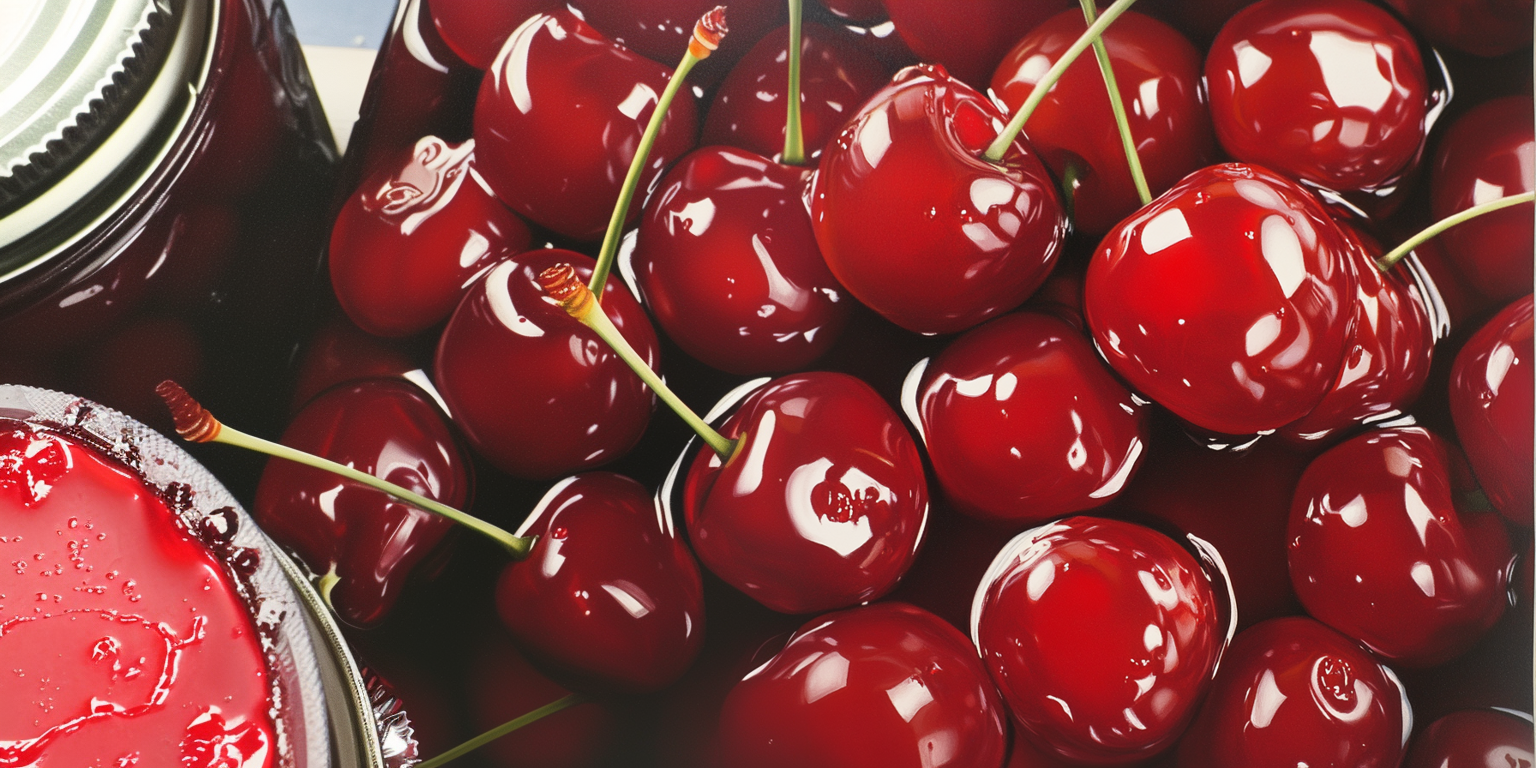
Artificial food dyes have been under scrutiny for years, and Red 3 (Erythrosine) is one of the most controversial. While it’s commonly found in candies, baked goods, and even medications, Red 3 has been linked to behavioral issues, thyroid concerns, and potential cancer risks.
Despite bans in certain products, Red 3 is still allowed in food and supplements in some countries. Understanding the risks and how to avoid this additive can help protect your health and well-being.
In this guide, we’ll explore:
✔ What Red 3 is and where it’s found
✔ The potential health risks associated with Red 3
✔ How to identify and avoid it in your diet
And if you’re looking for dye-free, clean-label supplements, check out Elyxa’s premium range—100% free from artificial additives.
1. What Is Red 3 and Why Is It a Concern?
🚨 Red 3 (Erythrosine) is a synthetic petroleum-based food dye used to give foods a bright red or pink color. It’s commonly found in:
✔ Candies & fruit snacks
✔ Maraschino cherries
✔ Frostings & baked goods
✔ Sodas & processed drinks
✔ Medications & vitamin coatings
Despite its widespread use, scientific research has raised red flags about Red 3’s safety.
💡 In some studies, Red 3 has been linked to hyperactivity, hormone disruption, and even cancer risk.
2. Health Risks Associated with Red 3
Several studies have highlighted concerns about the long-term effects of consuming Red 3.
1. Increased Cancer Risk
⚠ Animal studies have linked Red 3 to thyroid tumors and cancer.
- In 1990, the U.S. FDA banned Red 3 in cosmetics and topical drugs after research showed that it caused thyroid cancer in rats.
- However, it is still allowed in food and supplements despite safety concerns.
💡 Long-term human studies are still ongoing, but many experts recommend limiting exposure.
2. Hyperactivity & Behavioral Issues in Children
🧠 Artificial food dyes, including Red 3, have been linked to behavioral problems in children.
✔ May increase hyperactivity and ADHD symptoms.
✔ Some countries require warning labels on foods containing artificial dyes.
✔ Many parents report behavioral changes after consuming dyed foods.
💡 Choosing dye-free snacks may help improve focus and behavior in children.
3. Thyroid Disruption & Hormonal Imbalance
🦠 Red 3 may interfere with normal thyroid function.
✔ Animal studies suggest that Red 3 can disrupt hormone production in the thyroid gland.
✔ This could lead to metabolism issues, fatigue, and weight fluctuations.
💡 People with thyroid concerns should be cautious about artificial dyes.
3. Where Is Red 3 Found?
Red 3 is still legal in food products in many countries, including the U.S. and Australia.
Common Sources of Red 3:
🚨 In Food & Drinks:
✔ Candies (gummies, fruit snacks, jellybeans)
✔ Maraschino cherries
✔ Frostings, cake decorations, donuts
✔ Sodas, fruit punch, and artificially flavored drinks
🚨 In Medications & Supplements:
✔ Coated tablets and vitamins
✔ Liquid cough syrups
✔ Gel capsules
🚨 In Cosmetics & Personal Care Products:
✔ Lipsticks and lip gloss
✔ Blush and eye shadows
💡 Check ingredient labels for ‘Erythrosine’ or ‘Red 3’ to avoid it.
4. How to Avoid Red 3 in Your Diet
Since Red 3 is still allowed in certain foods, it’s important to check labels and make healthier choices.
1. Read Ingredient Labels Carefully
📌 Look for the words “Erythrosine” or “Red 3” on ingredient lists.
📌 Avoid processed foods with artificial colors.
2. Choose Natural Food Color Alternatives
🌱 Instead of Red 3, look for natural food colorings like:
✔ Beet juice or pomegranate extract – Provides a rich red hue.
✔ Turmeric or paprika extract – Used for warm tones.
✔ Carrot or berry-based dyes – Common in organic and natural foods.
💡 Many brands now use plant-based colorants for a safer alternative.
3. Eat More Whole, Unprocessed Foods
🍏 The best way to avoid artificial dyes is to eat whole, real foods like:
✔ Fresh fruits & vegetables
✔ Whole grains & nuts
✔ Organic dairy & natural sweeteners
💡 The fewer processed foods you eat, the less exposure you have to artificial additives.
4. Choose Dye-Free Supplements
💊 Many vitamins and supplements still contain Red 3 in pill coatings.
✔ Look for dye-free, plant-based options.
✔ Opt for capsules over artificially coated tablets.
✔ Choose Australian-made, TGA-approved supplements for quality assurance.
💊 Try: Elyxa’s supplements for clean, artificial-color-free nutrition.
5. Is Red 3 Banned Anywhere?
🚨 Yes! Red 3 is banned in some products, but still allowed in others.
✔ U.S. FDA banned Red 3 in cosmetics and topical drugs due to cancer risks.
✔ European Union has restricted artificial dyes in children’s foods.
✔ Some companies are voluntarily removing artificial dyes due to consumer demand.
💡 Despite restrictions, Red 3 remains in processed foods—so it’s up to consumers to avoid it.
Conclusion: Should You Avoid Red 3?
While regulatory agencies still permit Red 3 in food, its links to thyroid cancer, hyperactivity, and hormonal disruption raise serious concerns.
✅ Read labels and choose natural alternatives.
✅ Opt for whole foods over processed, dyed products.
✅ Choose supplements free from artificial colors like Elyxa’s clean-label range.
By making small, informed choices, you can reduce your exposure to harmful additives and prioritize long-term health. 🚀
FAQs: The Red Alert on Red 3
🚨 Red 3 (Erythrosine) is a synthetic dye linked to:
✔ Thyroid tumors & hormone disruption
✔ Hyperactivity in children
✔ Possible cancer risks (in animal studies)
📌 Foods – Candies, maraschino cherries, sodas, frostings.
📌 Medications – Coated pills, cough syrups.
📌 Cosmetics – Lipsticks, blush.
✔ Read labels for “Erythrosine” or “Red 3”.
✔ Choose dye-free foods & natural color alternatives.
✔ Opt for clean-label supplements like Elyxa’s range.
By avoiding artificial dyes, you can support long-term health and wellness! 🚀