

Selenium (as chelate) Supplement
What is Selenium (as chelate)?
Selenium is an essential trace mineral that plays a crucial role in various physiological functions, including antioxidant defence, thyroid hormone metabolism, and immune response. When chelated, selenium is bound to an organic molecule, enhancing its absorption and bioavailability in the body.
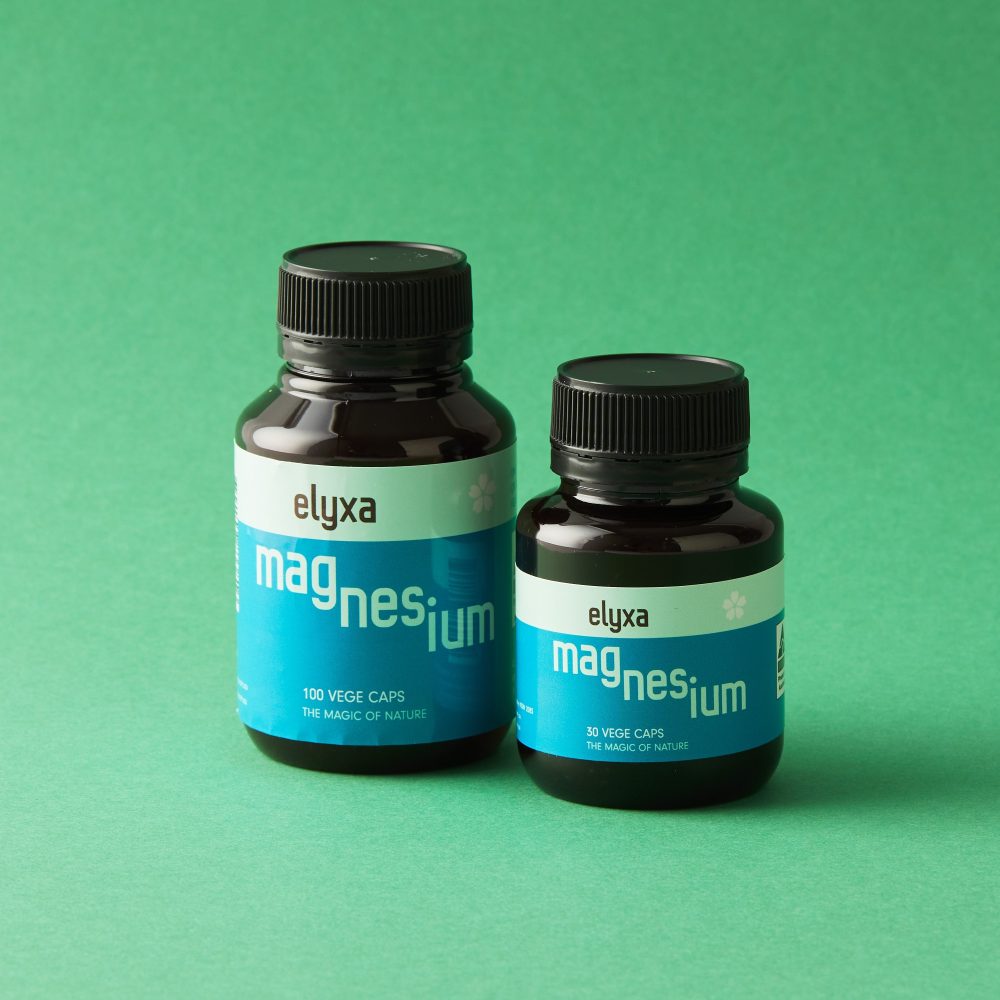
See below our products containing Selenium (as chelate):
Muscles | Energy | Appetite
Source and Origin Selenium is a trace mineral naturally found in various foods, including Brazil nuts, seafood, meat, eggs, and grains. Selenium chelate supplements are created by binding selenium to amino acids or other organic molecules, which is intended to enhance its absorption and utilization in the body.
Composition and Properties Selenium chelate consists of selenium ions bound to an organic molecule, typically an amino acid like methionine or cysteine. This process, known as chelation, is designed to improve the stability and bioavailability of selenium, making it a more accessible form in dietary supplements.
Traditional Uses and Potential Benefits
- Antioxidant Support: Selenium is an essential component of antioxidant enzymes, such as glutathione peroxidase, which play a role in protecting cells from oxidative stress.
- Thyroid Support: Selenium is known to be important for the synthesis and metabolism of thyroid hormones, contributing to overall thyroid health.
- Immune System Support: Selenium is recognised for its role in supporting immune function, particularly through its involvement in the activity of white blood cells.
- Cardiovascular Support: Maintaining adequate selenium levels is traditionally associated with supporting cardiovascular health due to its involvement in natural defense mechanisms in the body.
- Cellular Protection: Some research suggests that selenium may support cellular health by playing a role in protecting cells from oxidative damage.
How It Works Selenium acts as a cofactor for several enzymes that are involved in the body’s natural antioxidant defenses, helping to neutralise free radicals and reduce oxidative stress. In the thyroid gland, selenium is involved in the conversion of thyroxine (T4) to the more active form, triiodothyronine (T3), which is important for regulating metabolism. Selenium also supports the immune system by contributing to the production and function of immune cells.
Safety and Precautions Selenium is generally considered safe when taken in appropriate amounts as part of a balanced diet. However, excessive intake can lead to selenium toxicity, with symptoms such as gastrointestinal discomfort, hair loss, fatigue, and potential nerve damage. The recommended daily intake for adults is 55 micrograms, with an upper limit of 400 micrograms per day. Individuals with specific health conditions or those taking certain medications should consult with a healthcare professional before using selenium supplements.
Frequently Asked Questions (FAQs)
- Q: How much selenium chelate should I take daily? A: The recommended daily intake for selenium is 55 micrograms for adults. Consult a healthcare provider for personalised advice, especially if considering higher doses.
- Q: Can selenium chelate help with thyroid health? A: Yes, selenium is essential for thyroid hormone metabolism and can support healthy thyroid function.
References and Further Reading