

D-Ribose Supplement
What is D-Ribose?
D-Ribose is a naturally occurring sugar molecule that is an essential component of ATP (adenosine triphosphate), the primary energy carrier in cells. It plays a critical role in cellular energy production and is often used as a dietary supplement to support energy levels and reduce fatigue.
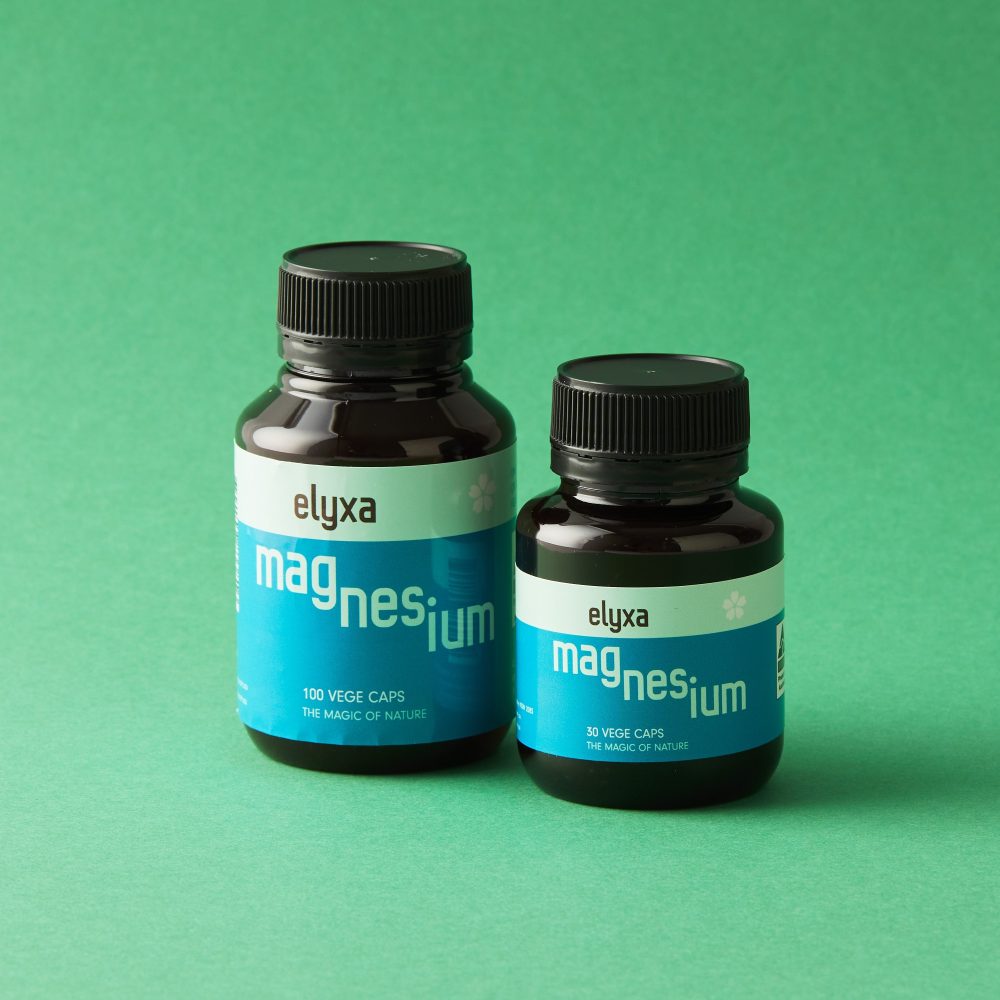
See below our products containing D-Ribose:
Muscles | Energy | Appetite
Source and Origin D-Ribose is naturally produced in the body from glucose and can also be found in small amounts in certain foods, such as beef, poultry, eggs, and dairy products. As a supplement, D-Ribose is typically synthesised through fermentation processes.
Composition and Properties D-Ribose is a simple sugar with the chemical formula C₅H₁₀O₅. It is a pentose sugar, meaning it has five carbon atoms, and it serves as a key building block of nucleotides, nucleic acids, and ATP (adenosine triphosphate).
Health Benefits and Uses
- Energy Production: D-Ribose plays a crucial role in the synthesis of ATP, which enhances cellular energy production and overall energy levels.
- Heart Health: D-Ribose supplementation may support heart function, particularly in individuals with heart conditions or compromised cardiac function.
- Exercise Performance: Athletes and individuals engaging in strenuous physical activities may benefit from D-Ribose supplementation, as it may help reduce muscle fatigue and improve recovery.
- Chronic Fatigue Syndrome (CFS): Some studies suggest that D-Ribose may help alleviate symptoms of chronic fatigue and fibromyalgia by supporting energy metabolism.
How It Works D-Ribose is a critical component in the production of ATP, the primary energy carrier in cells. By providing the necessary substrate for ATP synthesis, D-Ribose helps replenish cellular energy stores, particularly in tissues with high energy demands, such as muscles and the heart.
Safety and Precautions D-Ribose is generally safe for most people when taken in appropriate doses. However, it can lower blood sugar levels, so individuals with diabetes or hypoglycemia should monitor their blood sugar closely when using D-Ribose supplements. Possible side effects may include gastrointestinal discomfort, headache, and low blood sugar.
Frequently Asked Questions (FAQs)
- Q: How much D-Ribose should I take daily? A: The recommended dose of D-Ribose varies depending on the individual and the intended use. For general energy support, 5 grams per day is common, but athletes or those with specific health conditions may take higher doses. Consult a healthcare provider for personalised advice.
- Q: Can D-Ribose help with muscle recovery? A: Yes, D-Ribose can help improve muscle recovery by replenishing ATP stores, reducing muscle fatigue, and enhancing overall energy production.
References and Further Reading